Thermal inactivation of wastewater is an advanced process in which wastewater is treated with high temperatures to kill pathogenic microorganisms, viruses, and other harmful pathogens. This process uses thermal energy to destroy the cellular structures of microorganisms, thereby ensuring effective disinfection. Typically, the wastewater is heated to temperatures ranging from 105 to 134 degrees Celsius and held at that temperature for a specific period of time to ensure that all harmful organisms are killed. This process is particularly effective in sensitive areas such as genetic and biotechnology research facilities, medical and veterinary facilities, and pharmaceutical production, where the highest hygiene standards are required.
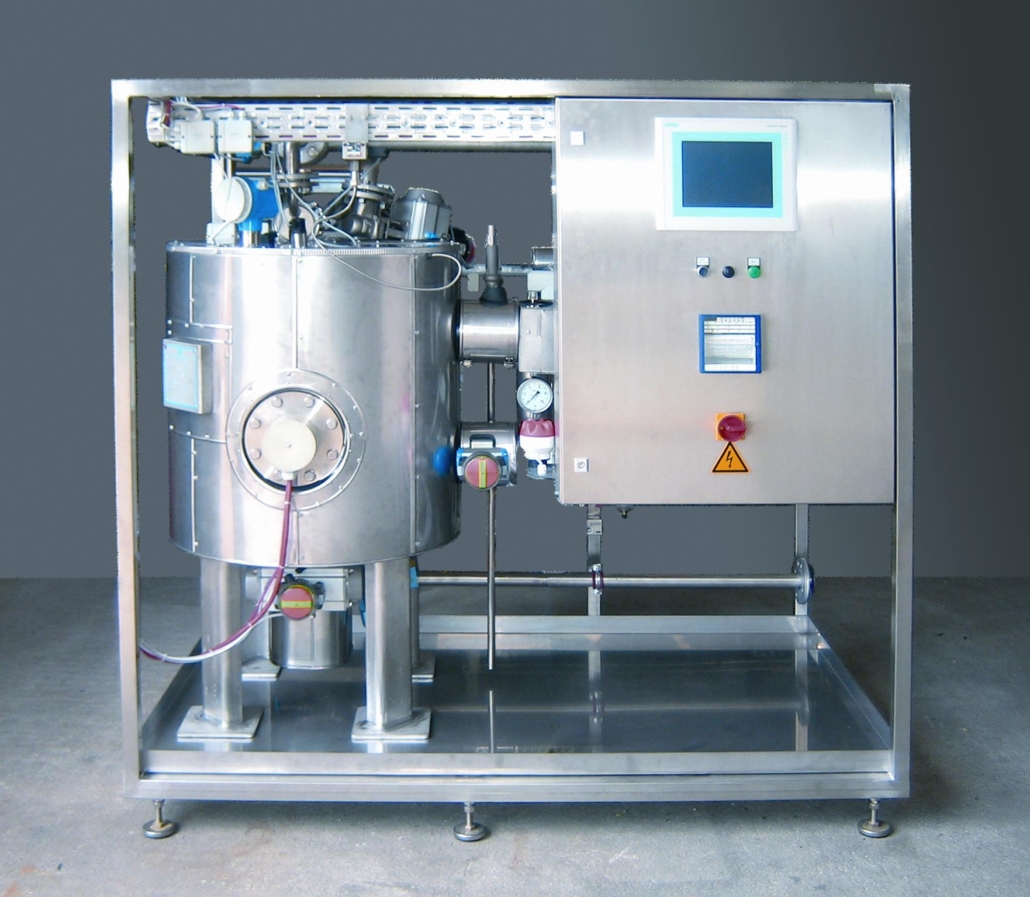
Thermal inactivation systems are designed to ensure uniform heat distribution and reliable temperature control. This enables consistent and safe disinfection of wastewater without the use of chemical disinfectants, which could leave behind harmful byproducts. In addition, thermal disinfection processes are environmentally friendly and sustainable, as they produce no chemical residues and the treated wastewater can be safely discharged into the environment or reused. Our state-of-the-art systems offer reliable solutions for wastewater treatment in demanding environments to meet the strict requirements of these specialized sectors.
 MADE IN GERMANY